
Our Services
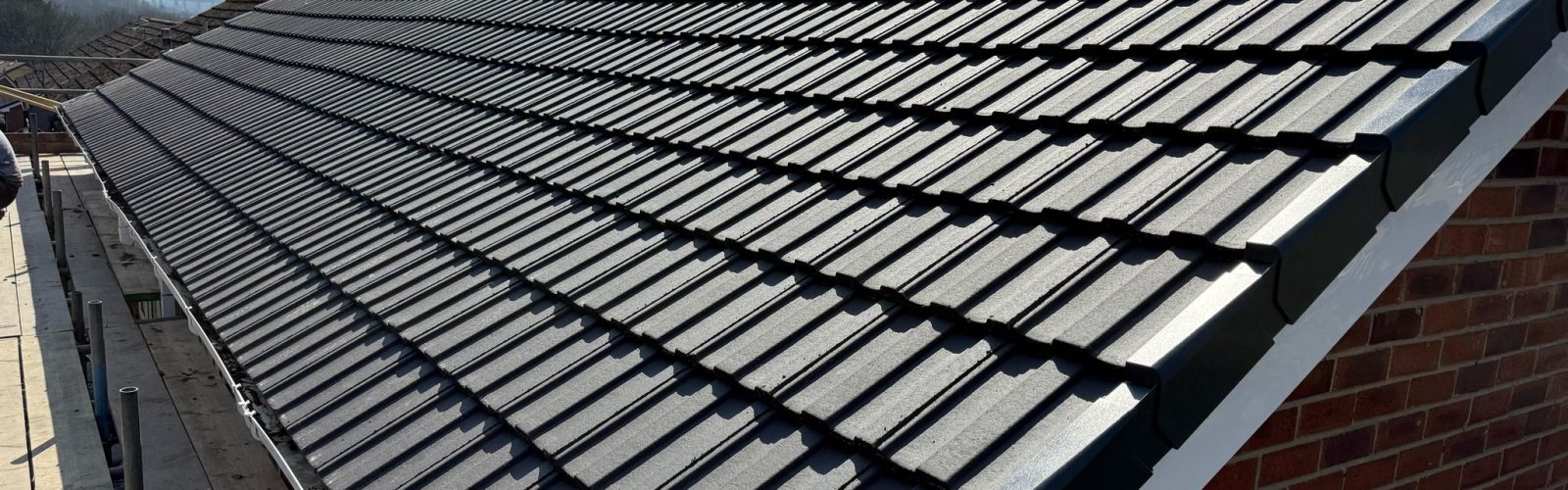
Domestic Services
Whether you’re building a new home or replacing an old roof, our skilled contractors offer expert installation services tailored to your preferences and budget. We work with a variety of roofing materials, including asphalt shingles, metal, tile, and slate, ensuring a perfect fit for your home.
Roofs can develop issues over time, such as leaks, damaged shingles, or structural weaknesses. Our prompt and efficient repair services address these problems, preventing further damage and ensuring your roof remains watertight and secure. We use advanced techniques and materials to provide lasting solutions.
Regular maintenance is crucial for extending the lifespan of your roof. Our maintenance services include thorough inspections, cleaning, and minor repairs to keep your roof in optimal condition. By identifying potential issues early, we help you avoid costly repairs down the line.
Our comprehensive roof inspections assess the overall condition of your roof, identifying hidden issues such as water damage, mold growth, or structural weaknesses. We provide detailed reports and recommendations, allowing you to make informed decisions about your roof’s maintenance and repair.
When your roof reaches the end of its lifespan or sustains considerable damage, replacement may be necessary. Our expert replacement services ensure the new roof is installed correctly and meets all safety standards. We work efficiently to minimize disruption to your daily life.
In the event of severe weather or unexpected damage, our emergency roofing services provide immediate assistance. We act quickly to protect your home from further damage and ensure the safety of its occupants.
We offer modern, energy-efficient roofing materials and systems that help reduce energy consumption, lower utility bills, and contribute to a more sustainable home. Our solutions are designed to enhance your home’s comfort and efficiency.
Gutters play a vital role in directing rainwater away from your roof and foundation. Our gutter installation and repair services ensure proper drainage, preventing water-related damage and maintaining the integrity of your home.
Industrial roofing
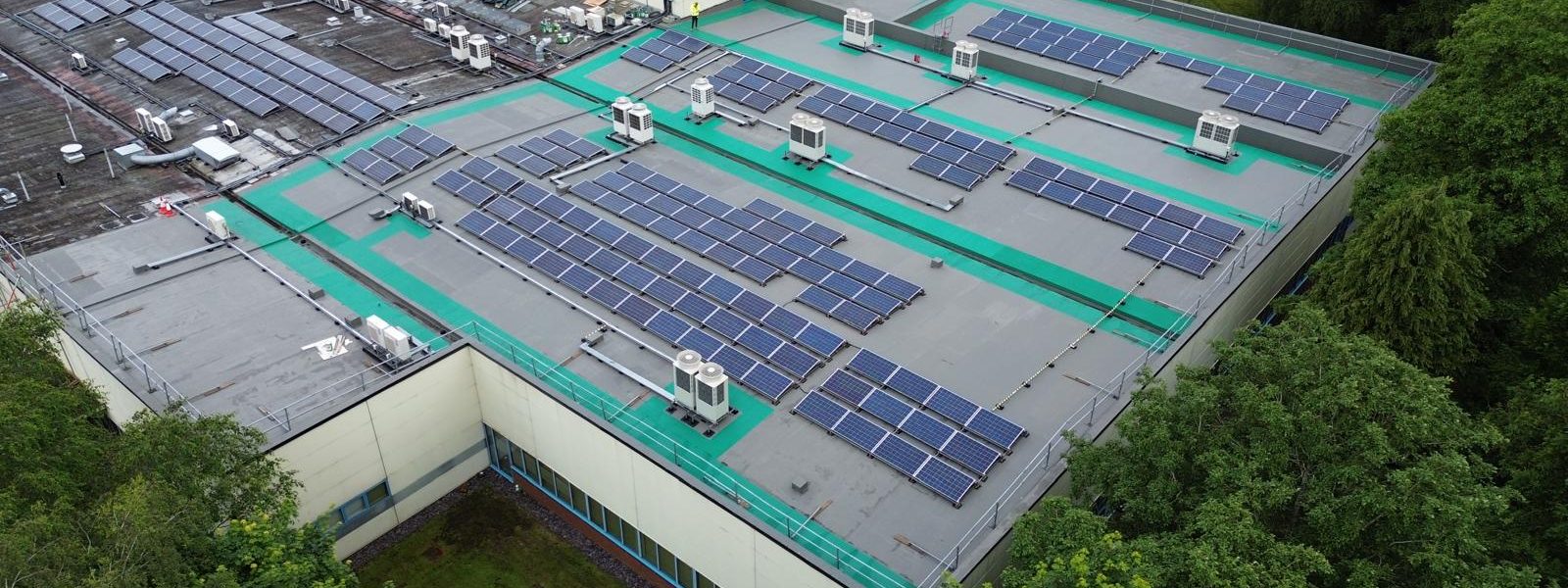
Strip & Re-sheet
To ‘strip and re-sheet’ involves removing the existing roofing material and installing new, high-quality panels. This method is essential for updating and protecting commercial buildings, ensuring they meet modern standards for insulation, safety, and performance.
Additionally, the ‘strip and re-sheet’ method can be customised to suit specific client needs and requirements.
When would an industrial roof need to be stripped and replaced?
The most common reason for a full re-roof would be due to the materials having reached their end of life. All roofing materials have a lifespan and once reached, there is no alternative but to fully replace them. We would expect a new roof to have a lifespan of around 20 to 30 years.
Alternatively roofing materials can depreciate due to decay which can lead to structural issues and leaks.
Occasionally a roof may become damaged beyond repair due to storms and weather events or an accident. In this case, it may not be possible to repair and the only option available may be to strip and re-sheet.
Over time all roofs deteriorate from their exposure to the weather. General wear and tear have a significant impact on a roof’s durability.
Lastly damage from animals can cause significant destruction and can necessitate a full roof replacement.
Why choose to strip and re-sheet?
- High quality roof panels: Long lasting and durable materials will ensure a robust roof.
- Improved insulation: Energy costs will be lowered with superior thermal materials being utilised for your re-roof.
- Enhanced EPC rating: Improved insulation will ensure your Energy Performance Certificate is rated higher.
- Superior ventilation: Modern roofing systems offer features for better air circulation.
- Increased safety: Utilising the latest roofing materials enhance overall building safety.
Industrial roofing
Strip & Re-sheet
What is Strip & Re-sheet?
To ‘strip and re-sheet’ involves removing the existing roofing material and installing new, high-quality panels. This method is essential for updating and protecting commercial buildings, ensuring they meet modern standards for insulation, safety, and performance.
Additionally, the ‘strip and re-sheet’ method can be customised to suit specific client needs and requirements.
Overcladding
What is Overcladding?
Overcladding and encapsulation can offer significant advantages in terms of efficiency, cost, and minimal disruption to your operations. Overcladding is the process of covering a dilapidated roofing system with new, modern materials to ensure it’s thermally efficient and weatherproof.
Roof Overcladding is a process to upgrade the outer layer of an aging roof without removing the existing layer of materials. Adding a layer of new, modern materials ensure the building is thermally efficient and weatherproof without the disruption and cost of a complete roof replacement.
When would overcladding be the best solution?
Overcladding can be an effective solution when one of the following criteria is met:
– When an existing asbestos roof is deemed beyond repair
– When the removal of asbestos waste is not financially suitable for your budget
– When it’s not practical to conduct a strip and re-sheet due to site specific limitations.
Why choose overcladding?
Choosing overcladding as an option for your roofing system can offer numerous benefits to help enhance your commercial or industrial properties including:
- Stops damp and draughts and improves overall energy efficiency.
- Increase the lifespan with an additional protective layer.
- Your building can stay open and live throughout operations.
- Any work will involve minimal disruption, so you don’t incur loss of trade or revenue.
- Aesthetically pleasing
What is the process of overcladding industrial buildings?
The overcladding process initially involves laying bars over the existing roof, creating a framework for new layers. Once the framework is complete a thermal insulator is added, followed by the installation of new cladding panels.
This process can be an effective solution for those with asbestos concerns without the expense of professional removal. It also prevents airborne contamination by encapsulating the suspect materials.
Overcladding
What is Overcladding?
Overcladding and encapsulation can offer significant advantages in terms of efficiency, cost, and minimal disruption to your operations. Overcladding is the process of covering a dilapidated roofing system with new, modern materials to ensure it’s thermally efficient and weatherproof.
Roof Overcladding is a process to upgrade the outer layer of an aging roof without removing the existing layer of materials. Adding a layer of new, modern materials ensure the building is thermally efficient and weatherproof without the disruption and cost of a complete roof replacement.
Encapsulation
What is encapsulation?
Roof encapsulation is a specialist process that involves covering or enclosing roofing materials with a protective coating or membrane to extend the life of a roof or improve its performance. This is commonly used for asbestos-containing roofing materials without having to resort to full removal by a specialist company. It also improves energy efficiency, adds a weather-resistant barrier, and can be a cost-effective solution.
Why choose Encapsulation?
- Long-lasting protection – This liquid waterproofing system will increase the lifespan of the roof by an additional 25 years roughly.
- Efficient Corrosion Management – Addresses and prevents further issues that can be caused by cut edge and lap edge corrosion.
- Cost-effective refurbishment – By choosing Encapsulation you will benefit from reduced labour costs and waste disposal whilst still benefiting from a refurbished roof with a long-lasting solution.
- Enhanced waterproofing – Ensures a seamless and vigorous barrier against water ingress, protecting the buildings interior and contents.
- Minimal disruption – With the existing roof remaining intact, disruption and downtime to operations is minimised.
When is encapsulation used and how?
Encapsulation is most often used as a solution for protecting asbestos-containing materials and preventing their harmful fibres from being released into the air. The initial process usually begins with a thorough assessment conducted by asbestos professionals. Once it has been determined that encapsulation is the preferred method of managing the asbestos roof, preparation of the roof can begin. Typically, the roof will be isolated from the rest of the building through the sealing of windows, doors, and ventilation systems.
Encapsulation
What is encapsulation?
Roof encapsulation is a specialist process that involves covering or enclosing roofing materials with a protective coating or membrane to extend the life of a roof or improve its performance. This is commonly used for asbestos-containing roofing materials without having to resort to full removal by a specialist company. It also improves energy efficiency, adds a weather-resistant barrier, and can be a cost-effective solution.
Wall cladding
What is wall cladding?
Wall cladding is the installation of another layer of protection on the exterior of a property, enhancing its structural integrity, energy efficiency and weather resistance. Cladding is typically made up of a combination of plastic, timber, vinyl, aluminium, and other metal types and is utilized in both the domestic and commercial roofing sectors.
The process involves layering materials leaving a slight space in-between the cladding to allow rainwater to flow down and prevent ingress into the building. Requesting glass fibre to be sandwiched between the two layers can function as a great insulator.
Why choose wall cladding?
Wall cladding can provide thermal insulation by providing an external cover for a building acting as an insulating shield. This can help regulate the temperature within the building, reducing heat loss in the winter and heat gain in the summer. This then results in lower energy costs and a more comfortable environment within. This can be particularly useful for commercial landlords aiming to meet the minimum EPC rating of E or above, as UK regulations require.
With the extra layer of insulation also comes the added benefit of sound insulation ensuring the external noise levels are reduced for those within. This improves the working environment and can be vital in buildings that require a certain degree of sound proofing such as recording studios or cinema halls. It is important that consideration is given to the materials used when sound isolation is the goal as different materials achieve different levels of sound proofing.
Wall cladding protects a building from the elements improving its overall weather resistance. The external cladding shields the building from rain, hail, chemical pollution, sunlight, and dew. This will improve the structural strength of the property improving its resistance to surface cracks and increasing the life span of the building.
Wall cladding can also be an effective way to manage the aesthetics of a property without substantial cost. Our cladding options come in diverse colours, styles, and materials. This allows for an exterior that reflects your brand whilst ensuring optimal energy efficiency and optimal thermal performance.
At M&F Roofing we offer a range of solutions tailored to meet the requirements of businesses across the UK. Our wall cladding solutions are guaranteed to meet current safety standards and benefit from a manufacturers warranty. All materials sourced are the highest quality from leading suppliers ensuring durability and reliability, providing protection of your investment for the long-term.
Wall cladding
What is wall cladding?
Wall cladding is the installation of another layer of protection on the exterior of a property, enhancing its structural integrity, energy efficiency and weather resistance. Cladding is typically made up of a combination of plastic, timber, vinyl, aluminium, and other metal types and is utilized in both the domestic and commercial roofing sectors.
The process involves layering materials leaving a slight space in-between the cladding to allow rainwater to flow down and prevent ingress into the building. Requesting glass fibre to be sandwiched between the two layers can function as a great insulator.
Felting & Waterproofing
What is Felt roofing?
Felt roofing is a specialist roofing system that involves the application of multiple layers of felt sheets to create a waterproof and weather-resistant surface. Once applied to the roof, the felt sheets are saturated with bitumen which is renowned for its waterproofing and adhesive properties.
Felting can be an ideal choice for flat and sloping roofs often found in a commercial or industrial setting, as the felt sheets are applied in a specific pattern to ensure a secure and durable bond.
This method can provide an immediate solution to water ingress and provide direct protection against environmental damage.
Why?
- Increased lifespan – Following professional installation of a 3-layer system, a property should be guaranteed an additional lifespan of around 20 years. Provided the building is efficiently maintained in the interim, they may last even longer.
- Thermal insulation – The thermal performance of your building is improved which in turn increases your energy efficiency.
- Immediate waterproof protection – with quick installation felt roofing offers instant protection against water ingress.
- Versatile – suitable for a range of industrial roofing applications due to the ability to fit most roofing structures.
- Cost-effective maintenance – Regular inspection and maintenance is encouraged as felt roofs repairs are low cost with patching often restoring full water-proofing functionality.
Choosing the right materials!
There are three types of felting materials to choose between when considering a felt roof for your building.
Modified Bitumen Felt: A combination of asphalt with polymers enhancing its resistance to weathering and UV rays. Modified bitumen felt is durable and offers superior waterproofing, making it ideal for long-term solutions.
Fibreglass Felt: Composed of synthetic fibres, fibreglass felt is renowned for its durability and resistance to punctures and tears. A great option for buildings with high foot-traffic or harsh weather conditions.
Polyester Felt: Made from synthetic fibres, polyester felt is strong and durable, making it suitable for high traffic areas. Its robustness ensures a long- lasting roofing solution that can withstand various environmental challenges.
What to consider ?
At M&F Roofing we can offer assistance in ensuring the right materials are chosen for your building. Specification will be made following consideration of each of the following factors:
-Budget: There are varying price points for the different felt materials. Modified bitumen and polyester felt come in at a higher cost however they do offer enhanced performance whilst organic felt is generally a lower cost alternative which may suit smaller budgets.
-Durability: An assessment should be made of the foot traffic and weather exposure your roof will experience. For higher durability we usually look too fibreglass and modified bitumen as they perform well against difficult conditions.
-Sustainability: For those who incorporate an environmental ethos, organic felt is made from natural fibres and can be a great eco-friendly option.
-Climate: Consideration of the local environment and general weather conditions can be essential when picking the right type of felt. For example, modified bitumen can be a perfect solution for locations with high UV exposure or extreme temperatures.
Felting & Waterproofing
What is Felt roofing?
Felt roofing is a specialist roofing system that involves the application of multiple layers of felt sheets to create a waterproof and weather-resistant surface. Once applied to the roof, the felt sheets are saturated with bitumen which is renowned for its waterproofing and adhesive properties.
Felting can be an ideal choice for flat and sloping roofs often found in a commercial or industrial setting, as the felt sheets are applied in a specific pattern to ensure a secure and durable bond.
This method can provide an immediate solution to water ingress and provide direct protection against environmental damage.
Rooflight Solutions
Improve your commercial or industrial property’s use of natural light with M&F Roofing’s rooflight solutions. With our bespoke rooflight designs, we can significantly increase your buildings natural light and improve your energy efficiency by reducing your reliance on artificial lighting.
Our eco-friendly rooflight solutions will enhance your sustainability initiatives and provide increased wellbeing and productivity to your workforce. Our daylighting options are all fully compliant with EU building regulations and relevant safety standards. At M&F Roofing we have extensive experience of incorporating rooflight packages for various sized industrial buildings.
Why choose industrial rooflights?
Commercial rooflights and roof window installations are the perfect way to increase natural light and ventilation within a building. This improves energy efficiency and reduces running costs whilst also improving the wellbeing of the workforce within. Dependant on the roof in question, it’s also possible to have access rooflights installed to provide maintenance access. It’s vital that any rooflight systems are fitted and installed by a trained professional due to the potential for leaks, damp, and draughts to occur if installed incorrectly.
At M&F Roofing, we have extensive experience of fitting and installing and weatherproofing all types of roof windows and rooflight products. We’ve worked with all the leading manufacturers of daylighting systems including:
-Kingspan
-Velux
– Roof Maker
-The Rooflight Company
Our team of experts will consider several factors to ensure your bespoke package provides optimal performance and aesthetic appeal. We will determine your specific requirements giving consideration to the intended use, local climate, and the buildings architecture to create a bespoke design.
The installation process is delivered to the highest standards whilst being quick and efficient. Our daylight systems are designed and installed to meet all building standards and safety codes, and we offer a 25 year warranty as standard. To ensure we maintain the highest results our fully trained professionals conduct all pre and post-installation checks whilst we regularly review our training procedures and fitting techniques.
By choosing our design and installation services, you can be confident we will provide a highly-efficient weather-proof system which will improve your energy efficiency, minimise your reliance on artificial lighting whilst providing aesthetic appeal.
Rooflight Solutions
What Rooflight Solutions are there?
Improve your commercial or industrial property’s use of natural light with M&F Roofing’s rooflight solutions. With our bespoke rooflight designs, we can significantly increase your buildings natural light and improve your energy efficiency by reducing your reliance on artificial lighting.
Our eco-friendly rooflight solutions will enhance your sustainability initiatives and provide increased wellbeing and productivity to your workforce. Our daylighting options are all fully compliant with EU building regulations and relevant safety standards. At M&F Roofing we have extensive experience of incorporating rooflight packages for various sized industrial buildings.
Liquid Waterproofing
What is Liquid waterproofing?
Liquid waterproofing involves applying a liquid coating to a surface which then dries to form a seamless, flexible, and waterproof membrane which protects buildings from damage. This is a popular choice for industrial buildings as it can be applied to complex structures.
At M&F Roofing we are specialised in applying two different liquid technologies, Westwood liquid waterproofing and Instaseal STP. Versatile and adaptable, Westwood is suitable for a wide range of roofing applications including flat, cladded, and domed roofs, canopies, and intricate detailing. Unlike other liquid technologies, Westwood is engineered to cater to concrete applications by using a primer which creates a robust foundation. Westwood detailing systems is ideal for buildings with intricate and challenging layouts including those with complex angles, materials, and substrates.
Instaseal STP is a hybrid polymer, solventless, cold applied roof coating. It’s generally used to replace old bitumen, mineral felt roofing, asphalt, or old fibreglass amongst other materials. It can be a preferable option as it is isocyanate free and has low solvent emissions. It can be applied in cold, damp conditions at temperatures above 0 degrees which makes it useful all year round.
Why choose liquid waterproofing?
-Easy application: Liquid waterproofing can be applied quickly using brushes or rollers making it ideal for larger, commercial buildings.
-Versatile: The ability to use liquid waterproofing on various surfaces and in different applications including flat roofs, balconies, and basements
-Seamless and flexible: The resulting membrane is continuous and can move with the structure preventing cracks and leaks.
-Durable and long-lasting: These membranes offer long-term protection against water damage especially in places with high traffic.
When to use liquid waterproofing?
Liquid waterproofing is a robust and flexible solution which can be applied in various situations. Not only is it the perfect roofing material but it can also be applied on balconies and terraces, car parks and walkways.
Due to the rapid curing times, liquid technology ensures quick turnaround times which can be essential for projects requiring minimal disruption. Our professional team are well versed in speedy but perfect application working to strict deadlines and delivering quick turnaround times.
When using Westwood’s PMMA system we work directly with the manufacturer to ensure long-lasting results and a durable and aesthetically pleasing finish.
Liquid Waterproofing
What is Liquid waterproofing?
Liquid waterproofing involves applying a liquid coating to a surface which then dries to form a seamless, flexible, and waterproof membrane which protects buildings from damage. This is a popular choice for industrial buildings as it can be applied to complex structures.
At M&F Roofing we are specialised in applying two different liquid technologies, Westwood liquid waterproofing and Instaseal STP. Versatile and adaptable, Westwood is suitable for a wide range of roofing applications including flat, cladded, and domed roofs, canopies, and intricate detailing. Unlike other liquid technologies, Westwood is engineered to cater to concrete applications by using a primer which creates a robust foundation. Westwood detailing systems is ideal for buildings with intricate and challenging layouts including those with complex angles, materials, and substrates.
Instaseal STP is a hybrid polymer, solventless, cold applied roof coating. It’s generally used to replace old bitumen, mineral felt roofing, asphalt, or old fibreglass amongst other materials. It can be a preferable option as it is isocyanate free and has low solvent emissions. It can be applied in cold, damp conditions at temperatures above 0 degrees which makes it useful all year round.
Guttering Systems
What are Guttering Systems?
The guttering system within your commercial or industrial property plays a vital role in ensuring the longevity and protection of your building. At M&F Roofing we specialise in the installation, refurbishment, and maintenance of industrial guttering and commercial guttering solutions which are tailored to the requirements of your business.
Industrial guttering helps prevent water damage and reduce the risk of costly repairs over time. This focus on durability also has a positive impact on your cost-effectiveness.
Drone Surveys
What are Drone Surveys?
In recent years, drones have revolutionized the way we conduct roof surveys, offering a safer, more efficient, and cost-effective solution compared to traditional methods. Equipped with high-resolution cameras and advanced sensors, drones can capture detailed images and data from various angles, providing comprehensive insights into the condition of a roof.
Enhanced Safety: One of the primary advantages of using drones for roof surveys is the significant reduction in risk. Traditional roof inspections often require personnel to climb ladders and walk on potentially unstable surfaces, posing safety hazards. Drones eliminate the need for physical access, allowing inspectors to assess the roof’s condition from the ground.
Efficiency and Speed: Drones can cover large areas quickly, capturing high-quality images and videos in a fraction of the time it would take for manual inspections. This efficiency translates to faster turnaround times for survey results, enabling quicker decision-making and action.
Detailed Data Collection: Modern drones are equipped with advanced imaging technology, including thermal cameras and LiDAR sensors. These tools can detect issues such as heat loss, water damage, and structural weaknesses that may not be visible to the naked eye. The data collected by drones can be analysed to create detailed reports and 3D models of the roof, providing valuable information for maintenance and repair planning.
Cost-Effectiveness: By reducing the need for scaffolding, ladders, and extensive labor, drones offer a more cost-effective solution for roof surveys. The ability to quickly identify and address issues can also prevent minor problems from escalating into major repairs, further saving costs overall.
Accessibility: Drones can easily access hard-to-reach areas, such as tall buildings or complex roof structures, which may be challenging for traditional inspection methods. This capability ensures that no part of the roof is overlooked, providing a thorough assessment of its condition.
In summary, the use of drones for roof surveys represents a significant advancement in inspection technology. By enhancing safety, efficiency, and data accuracy, drones are transforming the way we maintain and manage our roofs, ensuring they remain in optimal condition.
Maintenance
Why do I need to do regular Maintenance?
Proactive Roof Maintenance: Regular maintenance is crucial for extending the lifespan of your roof. Our maintenance services include thorough inspections, cleaning, and minor repairs to keep your roof in optimal condition. By identifying potential issues early, we help you avoid costly repairs down the line.